
You’ve probably had your eyes checked before, but you might wonder what makes a comprehensive eye exam different from those quick vision tests at school or the DMV. Maybe your doctor mentioned you need one, or you’re experiencing changes in your vision that concern you.
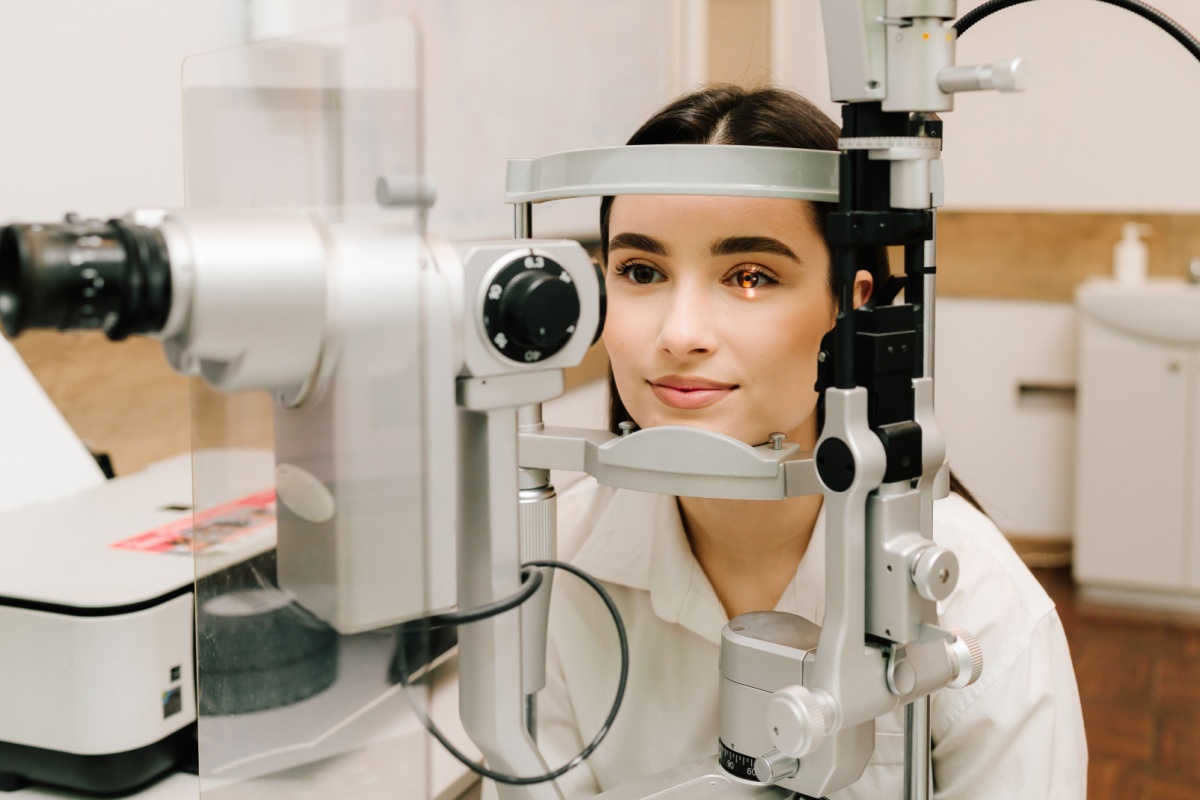
A comprehensive eye exam is a thorough evaluation that goes far beyond checking if you can read letters on a chart. It examines your overall eye health, detects diseases before symptoms appear, and can even reveal signs of serious health conditions like diabetes or high blood pressure. Grove Eye Care provides these detailed evaluations to help protect your vision and overall health. Our experienced doctors use state-of-the-art equipment to ensure nothing is missed during your eye exam.
How Comprehensive Eye Exams Differ from Vision Screenings
Vision screenings are quick checks that test whether you can see clearly at different distances. You read letters from an eye chart, someone records if you pass or need glasses, and you’re done in a few minutes. You’ve probably had these at school, work, or the DMV.
A comprehensive eye exam at Grove Eye Care goes much deeper. We examine the entire health of your eyes and visual system using specialized equipment. This means looking inside your eyes, measuring eye pressure, and checking for diseases that show no early symptoms—like glaucoma, diabetic retinopathy, macular degeneration, and cataracts. These conditions develop silently, and screenings simply can’t detect them.
The difference comes down to training and tools. Our licensed optometrists use years of specialized education and advanced diagnostic technology to provide thorough evaluations. Vision screenings, while helpful for basic checks, are typically performed by nurses, technicians, or volunteers with limited training on simple vision tests.
Think of screenings as a basic pass/fail test, while comprehensive exams are a complete health evaluation that can even detect systemic conditions like diabetes and high blood pressure.
What Happens During Your Comprehensive Eye Exam
Your comprehensive eye exam at Grove Eye Care typically takes 45-60 minutes and includes several distinct stages. Each step is designed to give us a complete picture of your eye health and vision. Here’s what to expect:
Pre-Exam Health History Review
We begin by learning about you. We’ll ask about any current vision concerns such as blurriness, eye strain, floaters, or difficulty seeing at night. Since many eye conditions are hereditary, we’ll also discuss your family history of eye diseases like glaucoma, macular degeneration, or cataracts.
Your overall health matters too. We’ll review all medications you’re taking (some can affect your vision or eye health) and discuss conditions like diabetes, high blood pressure, or autoimmune diseases that can impact your eyes.
Vision & Eye Movement Tests
Next comes the familiar visual acuity test, reading letters from an eye chart to measure how clearly you see at different distances. We’ll also check how well your eyes work together as a team, track moving objects, and respond to different focusing demands.
We’ll test your peripheral vision to ensure you can see objects on the sides while looking straight ahead. These tests help us detect problems that can signal eye disease.
Eye Health Examination
This is where advanced diagnostics come in. We’ll check your pupil response using a bright light, which reveals important information about your optic nerves and brain function. We’ll also measure your eye pressure to screen for glaucoma, which is a disease that can damage your sight without any warning signs.
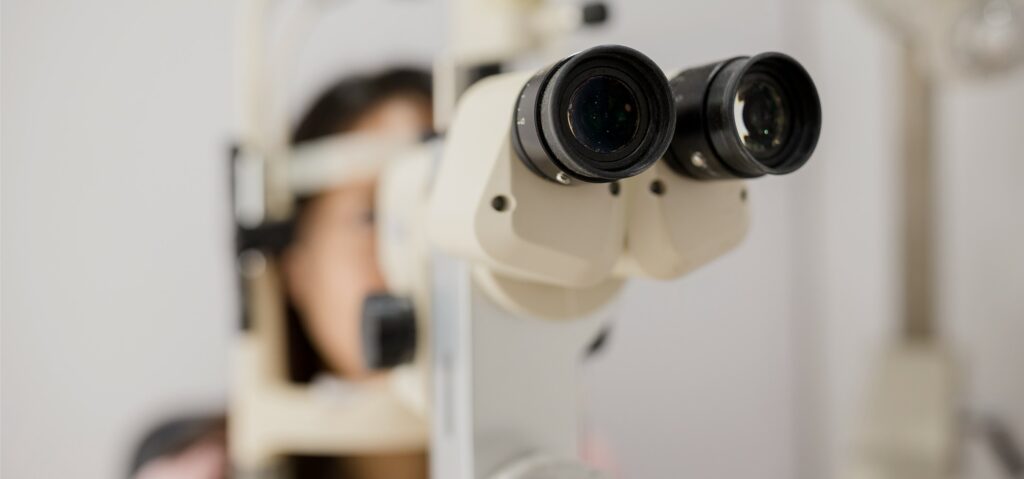
During the retinal examination, we look inside your eyes to examine your blood vessels, optic nerve, and retina. Using advanced digital imaging technology, we can capture detailed views of your entire retina comfortably and efficiently. This internal examination can reveal complications from diabetes or high blood pressure, plus early signs of eye diseases before you notice any symptoms.
Technology in Modern Eye Exams
At Grove Eye Care, we invest in advanced diagnostic technology because it allows us to detect problems earlier, track changes more precisely, and provide more comfortable exams.
Digital Retinal Imaging
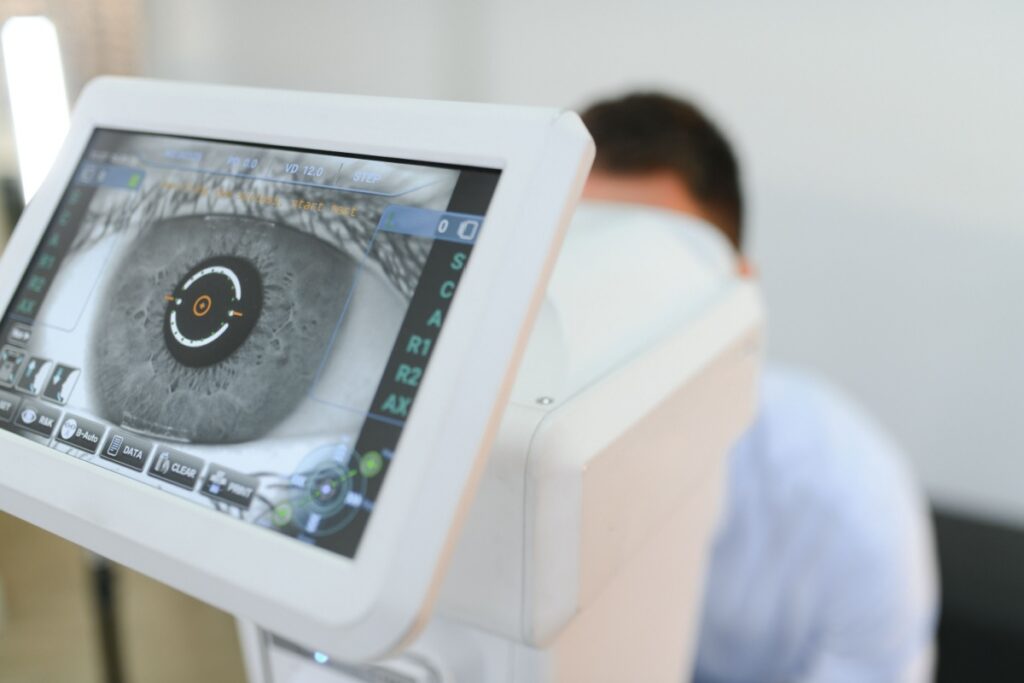
We use digital retinal cameras to capture detailed, high-resolution photos of the inside of your eyes. These images create a permanent record we can compare during future visits, helping us spot even subtle changes over time. What might be invisible during a traditional examination becomes clear and measurable with digital imaging, allowing us to catch problems months or even years earlier.
Optical Coherence Tomography (OCT)
Think of OCT as an MRI for your eyes. This advanced technology uses light waves to create detailed cross-sectional images of your retina, revealing its individual layers with remarkable precision. OCT can detect fluid buildup, tissue changes, and early glaucoma damage long before you notice any vision loss. It’s particularly valuable for monitoring conditions like macular degeneration, where early intervention makes all the difference.
Automated Refraction Technology
We use computerized refraction systems to determine your exact prescription by precisely measuring how light enters your eyes. This technology provides a highly accurate starting point for your prescription, making the refining process faster and more precise. You’ll still get to answer “which is better, one or two,” but significantly fewer times than with traditional methods alone.
Eye Conditions Detected During Comprehensive Exams
One of the most valuable aspects of comprehensive eye exams is what we can detect before you notice any symptoms. Early detection often means the difference between preserving your vision and facing irreversible damage.
Common Refractive Errors
Most people are familiar with refractive errors like nearsightedness (blurry distant vision), farsightedness (difficulty focusing on close objects), and astigmatism (distorted vision at all distances). We also check for presbyopia, the age-related focusing difficulty that typically begins around age 40. While these conditions don’t threaten your eye health, correcting them significantly improves your quality of life and reduces eye strain.
Serious Eye Diseases
Our comprehensive exams screen for sight-threatening conditions including glaucoma, which silently damages the optic nerve and can lead to permanent vision loss. We also monitor for diabetic retinopathy, a complication that affects retinal blood vessels, and macular degeneration, which impacts the central vision you need for reading and driving. Cataracts, which cloud your natural lens, are another common condition we track as they develop.
Early detection of these diseases allows us to begin treatment before significant vision loss occurs. Learn more about our ocular disease diagnosis and management services.
Systemic Health Conditions
Your eyes reveal more than just eye health. During your retinal examination, we often spot the first signs of diabetes through changes in retinal blood vessels. High blood pressure shows up as damaged or abnormal blood vessels in the eyes. We can also detect markers of autoimmune diseases that cause eye inflammation, and neurological conditions that affect eye movement or pupil response.
For patients with diabetes, regular comprehensive exams are especially critical. Our diabetic eye exam services provide specialized monitoring to catch complications early, when treatment is most effective.
How Often You Need Comprehensive Eye Exams
Regular eye exams are essential for maintaining healthy vision throughout your life. The frequency depends on your age and individual risk factors.
Children & Teens
We recommend children have their first comprehensive eye exam by age one, followed by another at age three and before starting kindergarten. After that, annual exams help ensure vision problems don’t interfere with learning and development. Early detection is particularly important during childhood because vision develops rapidly in the first few years of life, and undetected problems can lead to permanent vision issues.
If your child experiences crossed eyes, frequent headaches, difficulty reading, or has a family history of eye problems, we may recommend more frequent visits. Learn more about our pediatric eye exam services.
Adults Under 40
For adults, we recommend annual comprehensive eye exams. These regular visits establish baseline measurements and catch any developing problems early, before they affect your daily life. If you have diabetes, high blood pressure, a family history of glaucoma, wear contact lenses, or take medications that can affect your eyes, annual exams are especially important for protecting your vision.
Adults 40 & Older
After age 40, annual comprehensive eye exams become even more critical. Age-related eye diseases like glaucoma, macular degeneration, and cataracts become significantly more common during this stage of life. Your risk for diabetic retinopathy also increases with age, especially if you have diabetes or prediabetes.
Annual exams allow us to detect these conditions early, when treatment is most effective at preserving your vision and preventing further damage. For patients with existing eye conditions or significant risk factors, we may recommend exams twice a year.
What to Expect After Your Exam
After your comprehensive eye exam, we’ll take time to explain your results in clear, understandable terms. We’ll show you images of your eyes when helpful, so you can see exactly what we’re seeing and understand any findings.
If we detect any problems, we’ll discuss treatment options that fit your lifestyle and health needs. This might include an updated prescription for glasses or contact lenses if your vision has changed, recommendations for more frequent monitoring, referrals to specialists for advanced care, or specific treatments to address eye conditions.
We’ll also provide personalized guidance on lifestyle changes that support your eye health, such as protective eyewear for your activities, nutrition recommendations, screen time management, or strategies for managing health conditions that affect your vision.
Schedule Your Comprehensive Eye Exam Today
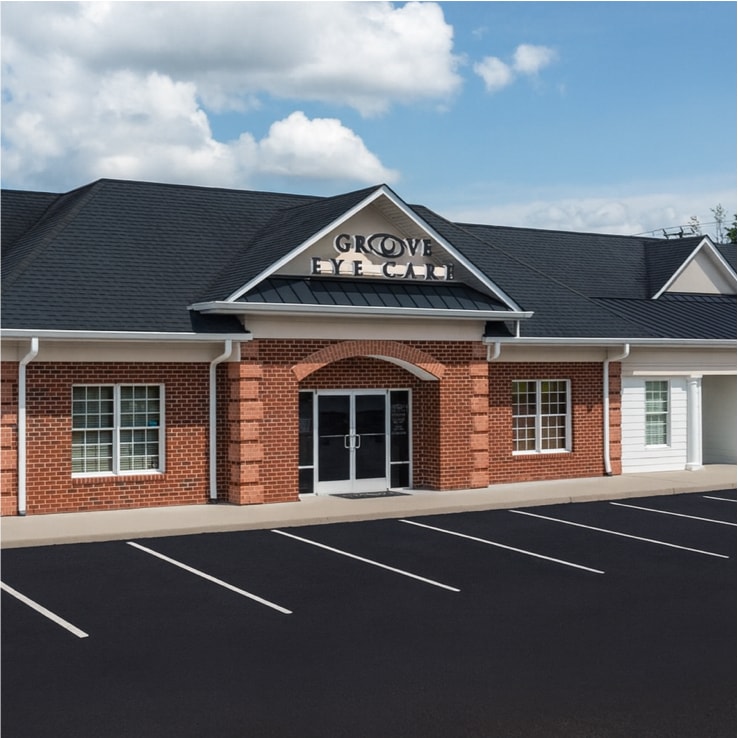
Grove Eye Care provides thorough comprehensive eye exams using advanced diagnostic technology at both our Richmond and Midlothian locations. Our experienced team is committed to helping you maintain healthy vision throughout your life.
Ready to schedule your appointment? Contact our Richmond office at 804-353-3937 or our Midlothian office at 804-888-8998. We look forward to caring for your vision.