
Key Takeaways
- Vision changes gradually, which is easy to miss without a yearly checkup
- Eye exams can reveal early signs of health conditions beyond just vision
- Children need regular exams even if they never complain about their sight
- Contact lens wearers need more than just a prescription renewal each year
- A comprehensive eye exam covers far more than just reading an eye chart
Your Eyes Deserve More Than a Quick Check
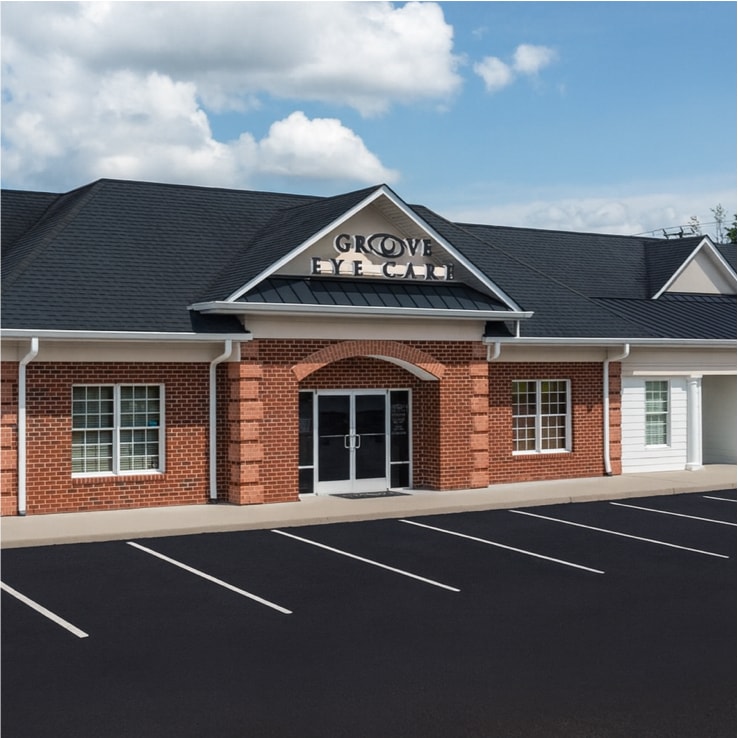
It’s easy to skip a yearly eye exam when your vision feels fine. Nothing seems wrong, life is busy, and an appointment feels like one more thing to schedule. However, that “nothing seems wrong” feeling is exactly why annual exams matter so much. Grove Eye Care makes it straightforward to stay on top of your eye health with comprehensive eye exams that go well beyond a basic vision check.
Annual eye exams help protect both your vision and your overall health by catching problems before they become harder to manage. From prescription updates to early signs of serious conditions, a yearly visit to the eye doctor gives you a fuller picture of what’s actually going on with your eyes.
1. Your Vision Changes More Than You Realize
Vision shifts happen slowly, which makes them surprisingly easy to overlook. You might not notice that driving at night feels harder, or that you’re holding your phone a little closer to your eyes than you used to. By the time these changes are obvious, they’ve often gone unnoticed for a long time.
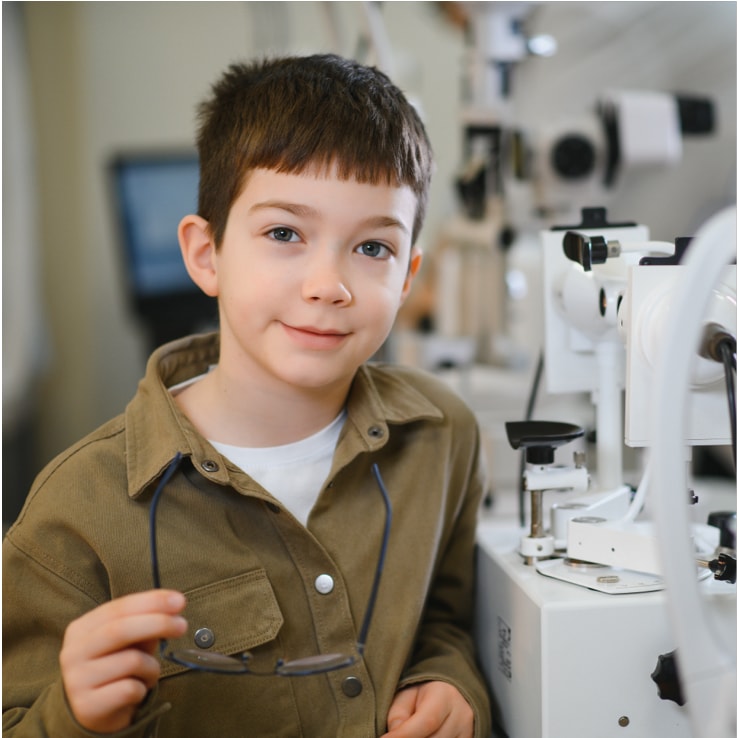
This is especially true for children. During the school years, kids’ eyes are constantly developing, and prescriptions can shift noticeably from one year to the next. A small update to glasses or contacts can make a real difference in how clearly and comfortably your child sees the board at school.
Getting your prescription checked each year keeps your vision sharp and your daily life more comfortable. Whether you’re reading, driving, or working at a screen, accurate lenses take the strain off your eyes. Regular comprehensive eye exams are recommended based on age, vision needs, and overall health, and yearly visits can help monitor changes, update prescriptions, and catch potential issues early.
2. Eye Exams Can Catch Health Issues Early
What the Eyes Can Reveal
Your eyes offer a unique window into your overall health. During a comprehensive eye exam, a doctor can spot signs of conditions like diabetes and high blood pressure by looking at the blood vessels inside the eye. Changes to the blood vessels often appear before other symptoms.
That means an eye exam can sometimes be the first place that a potential health concern gets noticed. In fact, many conditions that affect the eyes develop quietly, with no pain or obvious warning signs until they’ve progressed significantly. A comprehensive eye exam can detect over 270 health conditions, making it a meaningful part of your overall health routine.
Why Early Detection Matters
When potential issues are caught early, there are typically more options for managing them effectively. This applies to both eye conditions like glaucoma and macular degeneration as well as to broader health concerns that show up during an exam.
Staying on top of annual exams builds a timeline for your eye health, making it easier for your optometrist to notice when something changes. This record can be valuable for protecting your vision long-term.
3. Kids Benefit from Yearly Eye Exams Too
Children rarely say their vision is blurry because, to them, how they see is just how the world looks. If your child has never seen clearly, they have no way of knowing that something is off. That’s why a yearly exam matters even for kids who seem to see just fine. Pediatric eye exams are designed to catch conditions like amblyopia and strabismus that can go unnoticed without a thorough evaluation.
Vision problems can quietly affect a child’s ability to read, focus, and learn in school. What looks like a struggle with attention or reading may actually be a vision issue that a new pair of glasses could help address.
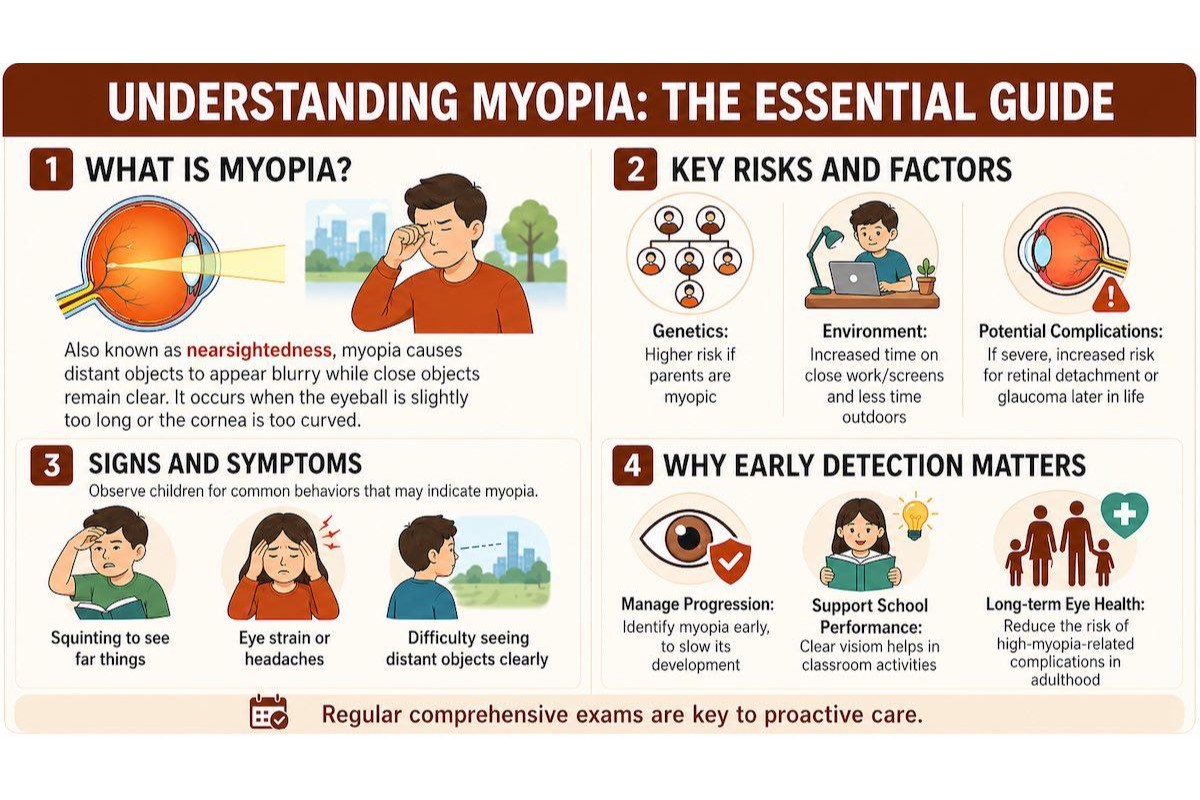
Myopia, or nearsightedness, tends to progress most quickly during the childhood and teen years. Starting myopia management early gives your optometrist more opportunity to help slow that progression. Grove Eye Care offers myopia management options designed to support children’s eye health during these key years.
4. Contact Lens Wearers Need Regular Follow-Ups
Keeping Your Prescription Current
Wearing contacts with an outdated prescription can lead to eye strain, headaches, and general discomfort throughout the day. Even if your vision feels mostly fine, small changes in your prescription add up over time and affect how well your lenses actually work.
Lens fit is also something that your optometrist checks at each visit. A lens that no longer fits correctly can cause irritation and affect how oxygen reaches the eye, even if it doesn’t feel dramatically different to you. The CDC outlines the different types of contact lenses available, which can help you understand why fit and material matter for your long-term eye health.
Eye Health With Contacts
Wearing contacts regularly changes the environment of the eye, and that’s worth monitoring each year. Dryness and irritation are common concerns that a doctor can spot and address before they become ongoing problems. If dryness is something you deal with often, dry eye therapy options are available to help manage symptoms effectively.
There are many types of contact lenses available, and what worked well a few years ago may not be the right fit for your eyes today. A yearly check-in gives your eye doctor a chance to make sure that your lenses are still a good match for your lifestyle and eye health.
5. Your Eye Exam Is More Than a Vision Test
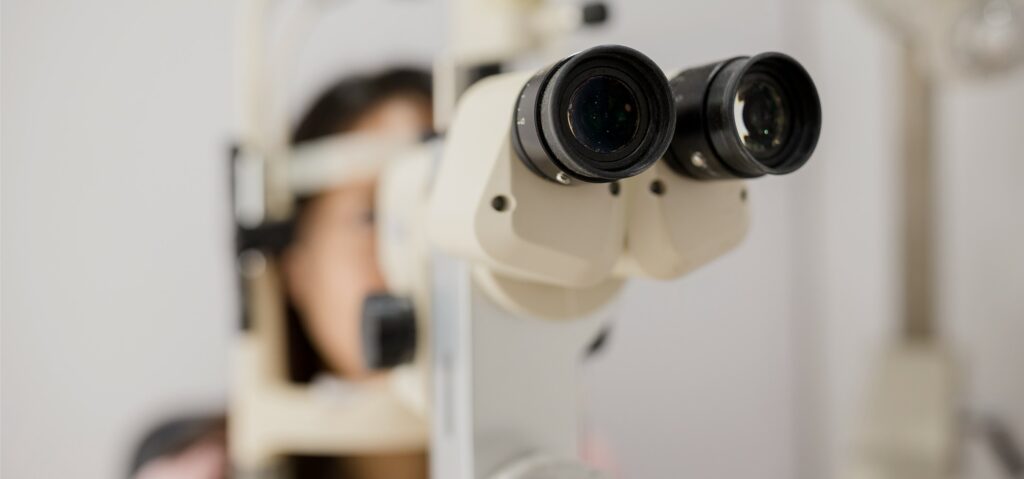
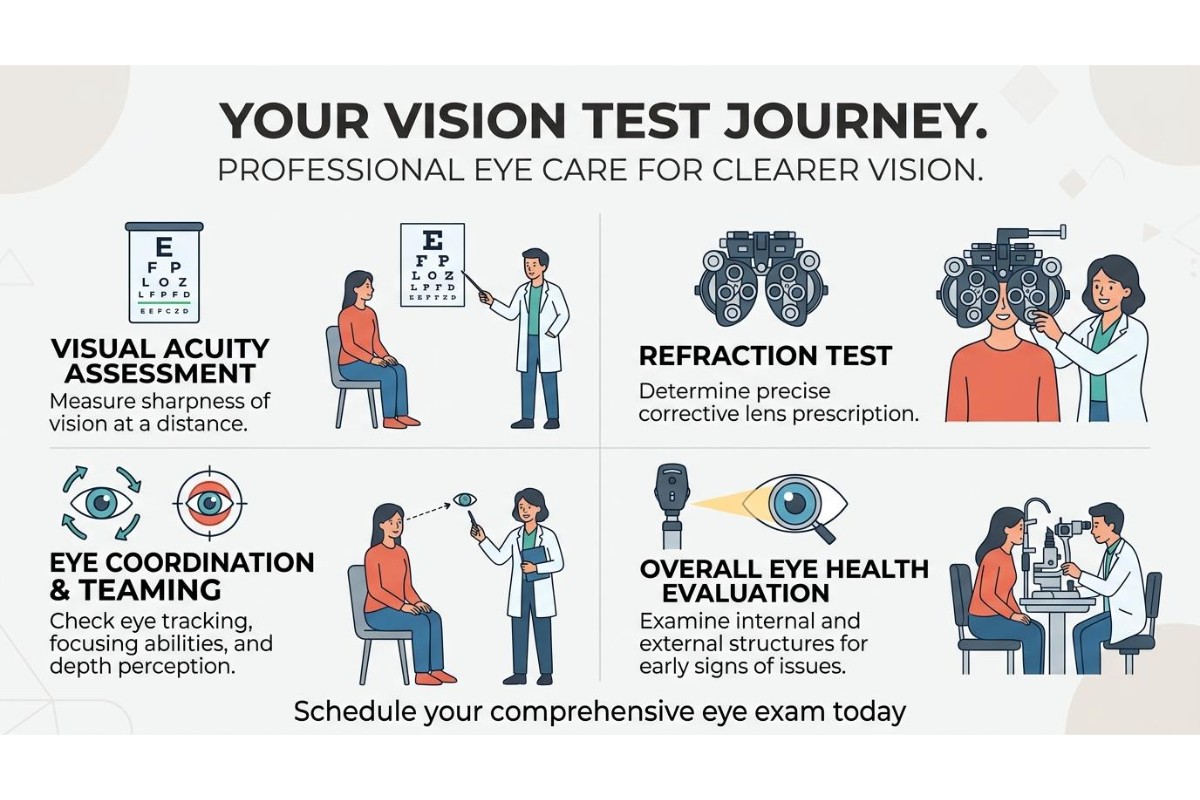
A lot of people think an eye exam is just about finding out whether your prescription has changed. In reality, a comprehensive exam covers eye pressure, the health of the retina, signs of dry eye, and much more. It’s a full look at how your eyes are functioning from the inside out.
Conditions like glaucoma often have no noticeable symptoms early on. Checking your eye pressure at each visit helps catch those changes before vision loss occurs. The same goes for dry eye, which can worsen gradually without feeling dramatic at first. Tools like optical coherence tomography (OCT) give optometrists a detailed, non-invasive look at retinal health that a standard vision test simply can’t provide.
Each exam also adds to your personal eye health record. Over time, that record shows patterns and changes that a single visit never could. This kind of ongoing picture is one of the most important reasons to keep your annual exam on the calendar.
Schedule Your Exam at Grove Eye Care
Your vision and eye health are worth a once-a-year appointment. Whether you’re due for a routine checkup, need a prescription update, or want to discuss concerns like dry eye or myopia management, Grove Eye Care is ready to help.
Book your annual eye exam at our Richmond or Midlothian location today and take a proactive step toward clearer, healthier vision.