
Warm breezes can carry pollen that coats cars and sidewalks. As anyone with allergies can tell you, this is often followed by plenty of sneezing and scratchy throats. But how does it affect our eyes?
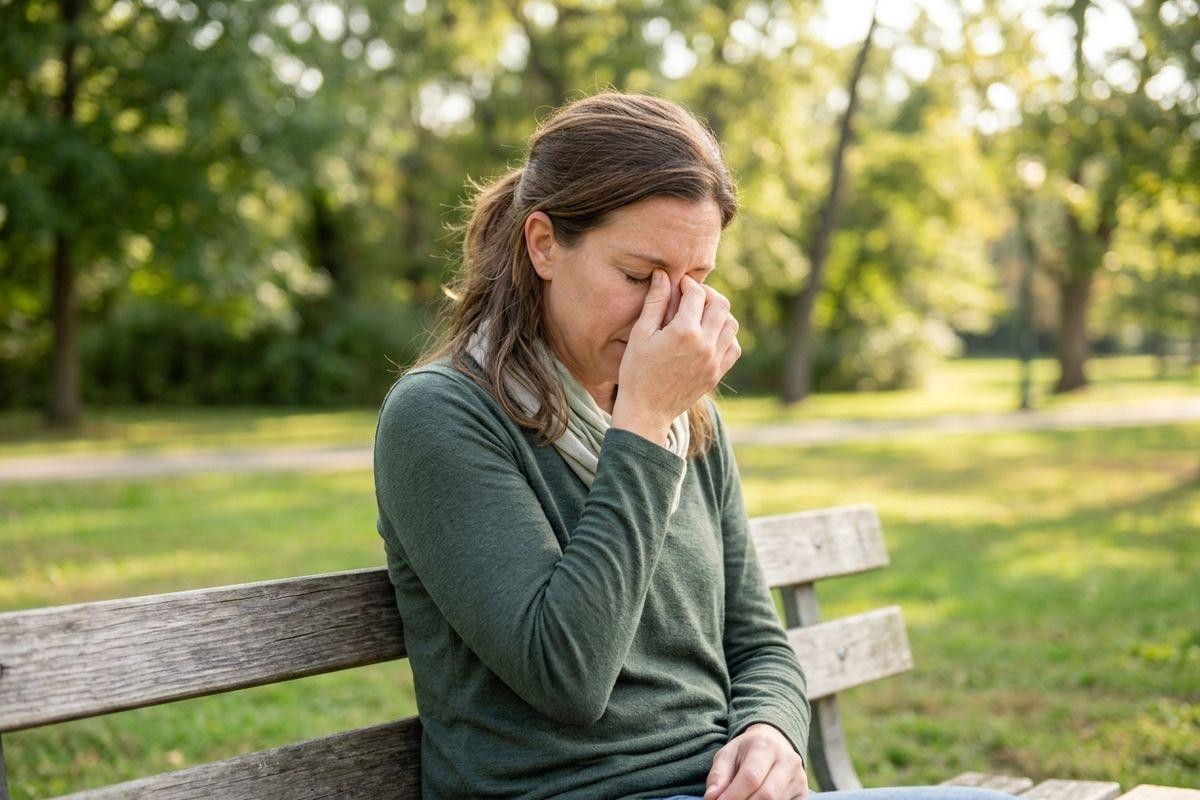
Yes, allergies can cause real eye problems, and the symptoms can range from mildly annoying to genuinely disruptive to your day. When your immune system detects something it considers a threat, like pollen or pet dander, it releases a chemical called histamine. That histamine response is what leads to the redness, itching, and swelling you feel in your eyes. These symptoms often appear alongside sneezing or a stuffy nose, which is a strong clue that allergies are the cause.
What Common Eye Allergy Symptoms Look Like
Eye allergy symptoms tend to show up in both eyes at the same time. Pay attention to how your eyes feel throughout the day.
If your eyes are uncomfortable, look out for these common indicators:
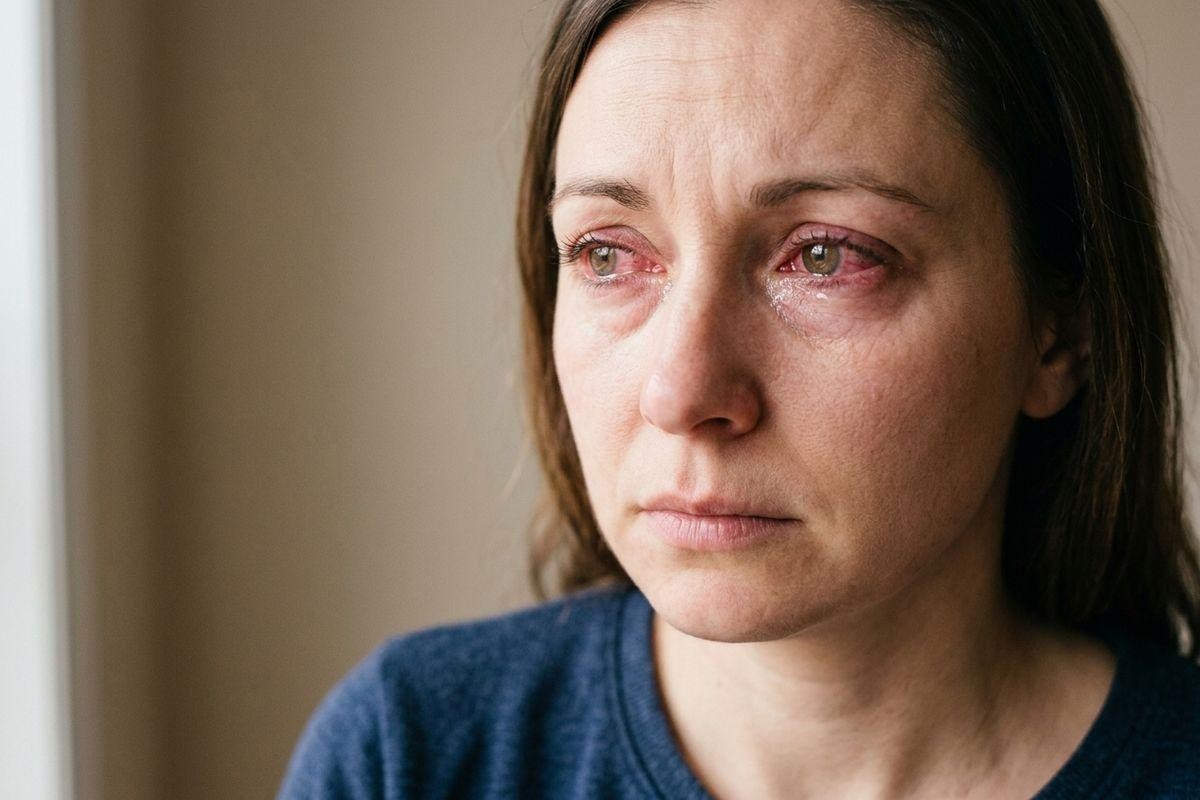
- Itchy, red, or burning eyes
- Watery eyes or a mucous-like discharge
- Puffy eyelids
- Sensitivity to light
What Can Be Mistaken for Eye Allergies
Not every case of red, irritated eyes comes from allergies. Dry eye shares a lot of the same symptoms, including redness and a gritty feeling, but it has different causes and needs different care.
Pink eye can also look similar as it causes severe redness and watering. A bacterial or viral infection usually causes this condition, and it often starts in one eye before spreading to the other. Viral pink eye produces a watery fluid, while bacterial infections create a thick, sticky crust. If your symptoms linger or keep coming back, it’s worth getting a proper evaluation to know what’s actually going on.
If you’re not sure whether allergies, dry eye, or pink eye are behind your symptoms, our Dry Eye Center can help identify what’s actually causing the irritation and recommend the right next step.
Top Everyday Eye Allergy Triggers
Pinpointing exactly what bothers your eyes takes a bit of detective work. Different elements in your environment provoke reactions at different times of the year.
Outdoor Triggers
Nature provides a constant supply of airborne irritants. Pollen is the most common outdoor trigger, and it’s active for a long stretch of the year. Tree pollen shows up in early spring, grass pollen peaks in late spring and early summer, and weed pollen tends to linger through fall.
On windy days, pollen travels easily through the air and lands directly in your eyes, which is why even a short time outside can leave your eyes red and watery.
Indoor Triggers
Retreating inside your home doesn’t guarantee a safe haven from itchy eyes. Some of the most common indoor triggers include:
- Pet dander from cats, dogs, or other animals
- Dust mites found in bedding, carpets, and upholstered furniture
- Mold spores in damp or poorly ventilated areas
- Smoke, strong perfumes, and chemical-based cleaning products
Clean your living spaces regularly and keep them well-ventilated to minimize these hidden household triggers.
Ways to Reduce Eye Allergy Discomfort
A few simple changes to your routine can make a noticeable difference during allergy season. Wearing wraparound sunglasses outdoors creates a physical barrier between your eyes and airborne pollen. Keep your home and car windows tightly closed on days with high pollen counts and run your air conditioning unit instead of a window fan to filter the air circulating around you.
Wash your hands thoroughly with soap and water immediately after petting a dog or cat. Keep your fingers away from your face and prevent transferring issues and dander directly onto your eyelids.
Keep your hands away from your eyes, even when the itch feels unbearable. Rubbing your eyes physically breaks open cells that contain histamine. This releases even more of the irritating chemical, creating a vicious cycle of itching and swelling.
Over-the-Counter Relief Options
A walk down the pharmacy aisle offers several products designed to manage acute flare-ups. Read the labels carefully to find the right fit for your specific irritation.
Consider these common short-term solutions:
- Artificial tears flush allergens off the eye’s surface and can soothe dryness and irritation
- Antihistamine eye drops work directly on the eye to reduce itching and redness
- Decongestant eye drops can temporarily reduce redness, but avoid using them for more than 2 to 3 days in a row, as extended use can make symptoms worse
When to See a Professional About Allergy Symptoms
Pharmacy products offer temporary help, but they aren’t the right answer for every situation. Sometimes, a persistent itch signals a more complex issue that requires specialized attention. There are times when a visit to the eye doctor makes sense.
Seek immediate help if you notice any of these signs:
- Your symptoms don’t improve after a few days of basic relief measures
- You notice changes in your vision or have significant pain in your eyes
- You wear contact lenses and have ongoing irritation that makes wearing them uncomfortable
Find Clarity Beyond Allergies
Dealing with the changing seasons doesn’t mean accepting red, watery eyes. You deserve to step outside and enjoy a bright afternoon without rubbing your eyes in frustration. A comprehensive evaluation uncovers exactly what’s affecting your eye health.
Our team at Grove Eye Care takes the time to listen to your experiences and examine your eyes. We provide clear, personalized guidance that targets your specific triggers. Book an appointment at our Richmond or Midlothian location today and let us help you see the world comfortably again.