
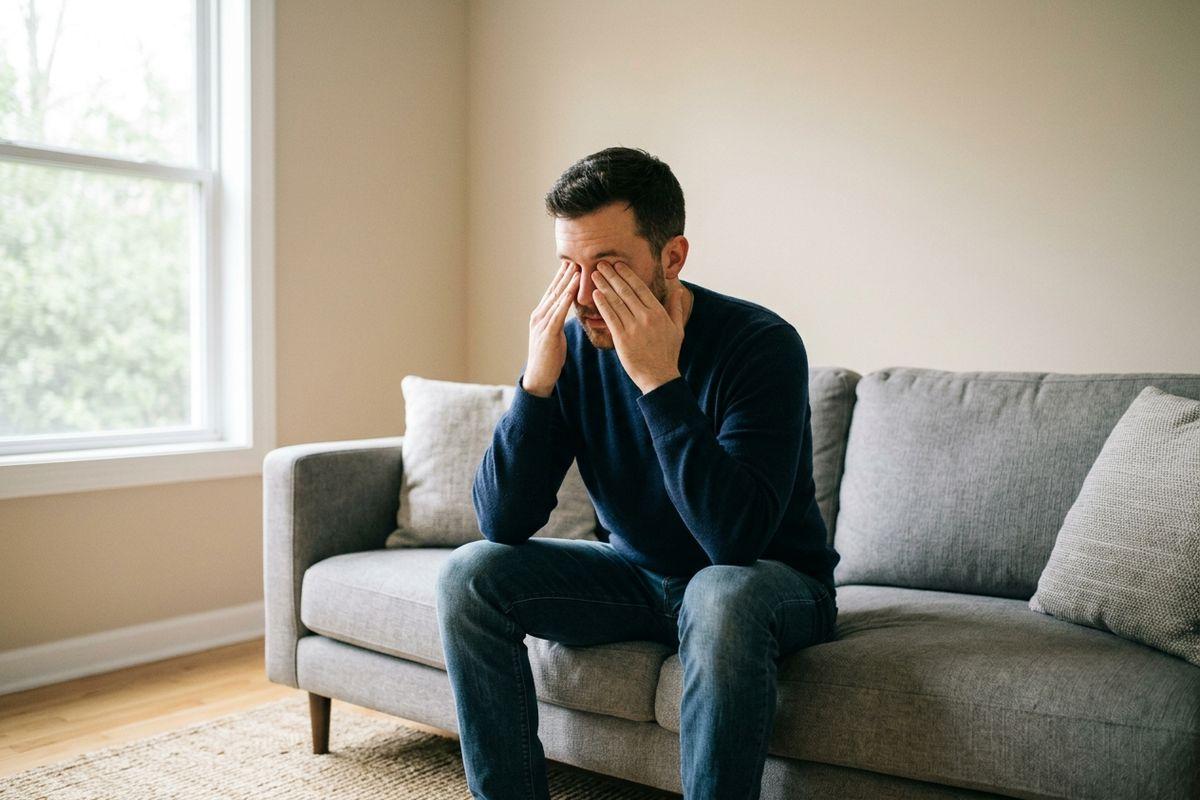
Eye twitches happen unexpectedly and often catch people entirely off guard. Your eyelid suddenly flutters, leaving you feeling distracted and a little annoyed. Almost everyone experiences this involuntary movement at some point during their lives.
An eye twitch is a small muscle spasm triggered by everyday factors like fatigue, stress, or caffeine. Most eye twitches are harmless, and they fade on their own within a few minutes, hours, or days. The twitch can show up in one eye or both, though one eye acting up is more common. While it can feel distracting, it rarely points to anything serious.
Common Reasons Your Eye Twitches
A twitch often traces back to something in your daily routine. Once you spot the pattern, you can usually calm things down.
Everyday Reasons
Your habits play a big role in how your eyelids behave. When you’re running low on rest or pushing through a packed week, your eyes can show it. This is because your body holds onto this tension in surprising ways, including facial muscle flutters.
Common causes of eyelid twitches include:
- Fatigue
- Short nights of sleep
- Stress during busy stretches at work or home
- Too much caffeine from coffee, soda, or energy drinks
Eye-Related Reasons
Sometimes the twitch starts with your eyes themselves. Long hours on screens and dryness can leave your lids on edge. If screens fill most of your day, that can affect your comfort. This intense visual focus fatigues the muscles surrounding your eyes quite rapidly.
Some eye-related reasons you might notice twiching include:
- Digital eye strain from phones, tablets, and computers
- Dry eyes and other surface irritation
- Eye allergies
- Sensitivity to bright light
- Wearing contact lenses for extended periods
Why One Eye Twitches More Than the Other
You might notice the flutter sticks to one side. That’s normal, and it’s usually the upper lid that acts up.
A one-sided twitch often ties back to the same everyday reasons, things like tiredness or eye strain from a long day. The muscles around that specific eye simply reach their limit first, and they respond with a small spasm. Sometimes, an uncorrected vision problem causes one eye to work harder than the other. Update your prescription glasses or contact lenses regularly to help your vision stay balanced.
The picture changes if the twitch spreads. A spasm that moves from your eyelid down to your cheek or face can indicate a nerve issue worth a closer look from a medical professional. A twitch that stays put in one lid is far more common and far less concerning.
How to Stop Eye Twitching at Home
Small changes to your routine can settle a twitch. Adopt a few proactive habits and see how your body responds over a few weeks.
Try these practical steps to calm your twitching eyelids:
- Aim for 7 to 9 hours of sleep each night.
- Cut back on caffeine for 10 to 14 days and watch for a difference.
- Drink 8 glasses of water daily to help keep your eyes hydrated
- Use lubricating eye drops to minimize dry eye
- Apply a warm or cool compress for a few minutes when your eye feels tense
- Follow the 20-20-20 rule. Every 20 minutes, look at something 20 feet away for 20 seconds.
Dry, irritated eyes can keep a twitch going. A little daily care can bring relief and help your lids relax. If dryness keeps coming back, dry eye therapy can address the root of the problem.
When to See an Eye Doctor
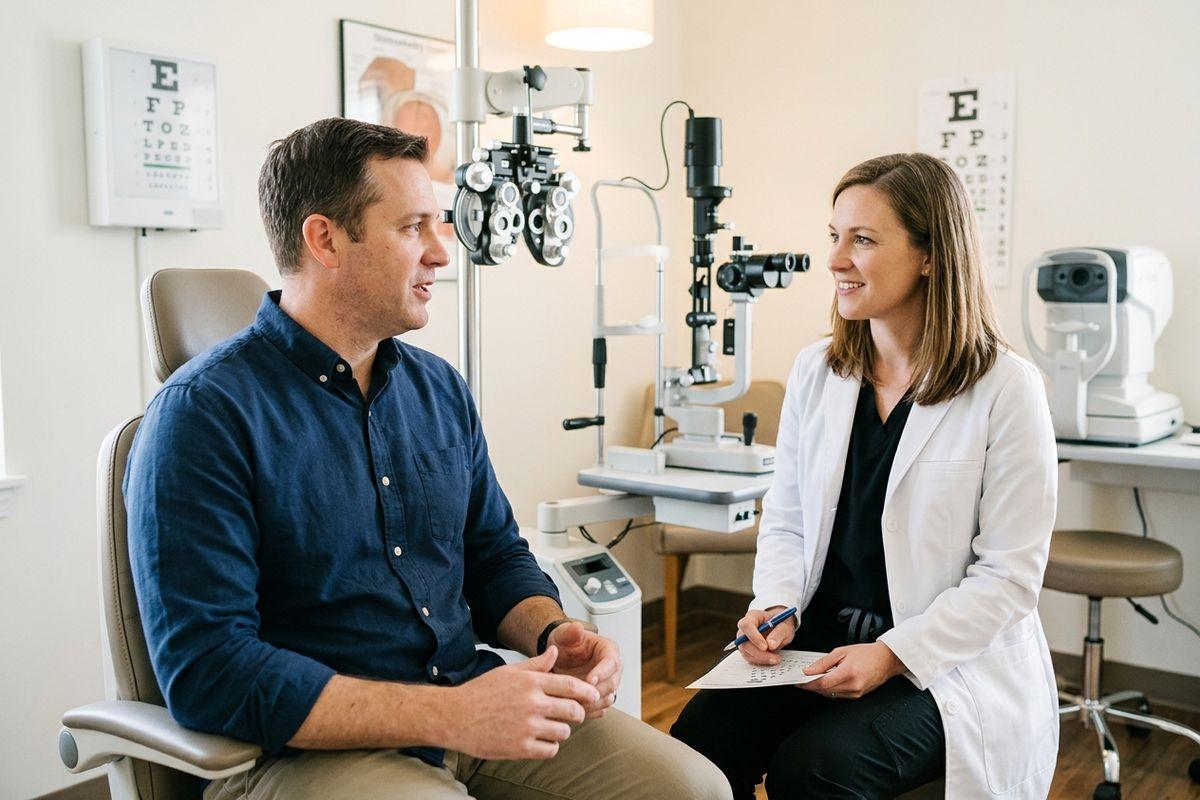
Most twitches clear up with rest and a few tweaks. Still, certain persistent signs mean you need a comprehensive eye exam. This is an opportunity for your optometrist to assess the overall health of your visual system and identify underlying problems.
Watch for these specific signs that indicate you need an eye exam:
- The involuntary fluttering lasts for longer than 2 weeks.
- Your eye forcefully clamps shut during a spasm.
- Both eyes begin twitching simultaneously instead of just one.
- The area around your eye appears red, swollen, or produces a discharge.
- Your vision becomes blurry or fuzzy while the twitch happens.
An optometrist checks the surface of your eyes for hidden irritation or inflammation. Getting a professional opinion removes the guesswork from a stubborn spasm.
Uncover the Mystery Behind Your Eye Twitch
A persistent flutter doesn’t have to remain an annoying mystery. Identifying the root cause helps you restore your comfort and focus. Our team of experienced optometrists carefully evaluates your visual health and daily lifestyle factors.
We pinpoint the exact reasons behind your discomfort and outline a clear path forward. Stop letting a stubborn twitch distract you from your day. Schedule an exam with Grove Eye Care and find relief from that twitch that won’t quit.