
Glaucoma moves slowly. It can spend years affecting your side vision while your central sight stays sharp enough that nothing feels wrong, which is why the schedule matters more than symptoms with this one.
There isn’t one glaucoma screening schedule that applies to everyone. Your optometrist determines how often you need to be monitored based on what they find during your comprehensive eye exams, including signs of glaucoma and other risk factors. Regular yearly exams can help identify changes early and determine whether additional glaucoma monitoring is needed.
What Glaucoma Does to Your Eyes
Glaucoma damages the optic nerve, the bundle of fibers that carries visual information from your eye to your brain. That damage builds quietly over years.
Pressure inside the eye often contributes to nerve damage, so a pressure reading belongs at every routine visit. Some people develop glaucoma with pressure in the normal range, which is why your optometrist examines the nerve itself instead of relying on a single number.
Vision lost to glaucoma doesn’t come back. Finding changes early gives your optometrist room to start treatment and protect the sight you have.
How Often You Need a Glaucoma Screening
Age plays a major role in determining how often you need eye exams. Higher eye pressure or a family history can reduce the time between check-ups considerably. In that case, your optometrist may want to see you every 6 to 12 months, which allows them to track small changes in the optic nerve before they add up to lost vision.
Age isn’t a hard cutoff either. Kids and young adults with a strong family history should be examined earlier, and a few forms of glaucoma show up in childhood.
Treat the numbers above as a starting point. Your real interval comes from your pressure readings, the shape of your optic nerve, your medical history, and what earlier exams showed.
Who Faces a Higher Risk of Glaucoma
Some risk comes down to factors nobody can control, and knowing yours helps set the right interval. A few of the things that raise the odds include:
- Being 40 or older
- A parent or sibling with glaucoma
- Diabetes or high blood pressure
- A past eye injury or eye surgery
Thin corneas and long-term steroid use can raise risk too, and neither one announces itself. Mention anything on this list at your next visit, even if it seems minor. That detail can change how often you’re seen and which measurements get repeated.

Why Open-Angle Glaucoma Goes Unnoticed
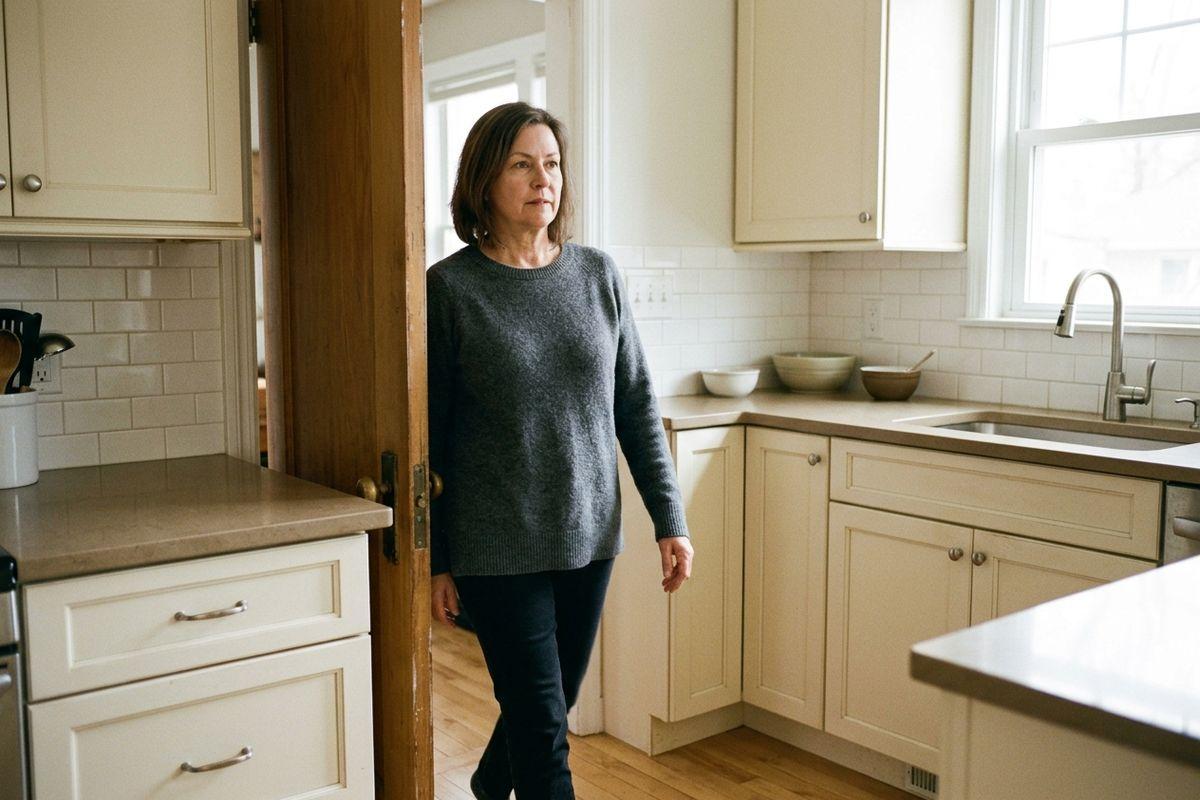
The most common form of glaucoma is open-angle glaucoma. It can progress without pain or early warning signs. Peripheral vision goes first, and the brain fills in the missing pieces so smoothly that years can pass before anything registers.
You might clip a doorframe with your shoulder or miss a car merging beside you before you suspect anything about your sight. By then, some nerve damage has usually happened. An exam can reveal those changes long before you’d notice them yourself.
Glaucoma Symptoms That Need Same-Day Care
Angle-closure glaucoma behaves nothing like the slow version. The drainage angle inside the eye closes off, pressure climbs within hours, and it becomes an eye emergency. Watch for any of these:
- Severe eye pain
- A sudden headache
- Blurry vision or halos around lights
- A red eye
- Nausea or vomiting
Call an optometrist right away when several of these show up together. Fast treatment can lower pressure and limit damage.
What Happens During a Glaucoma Screening
The visit itself is straightforward. Your optometrist measures the pressure inside your eye and the thickness of your cornea, since a thin cornea can make a pressure reading look lower than it truly is.
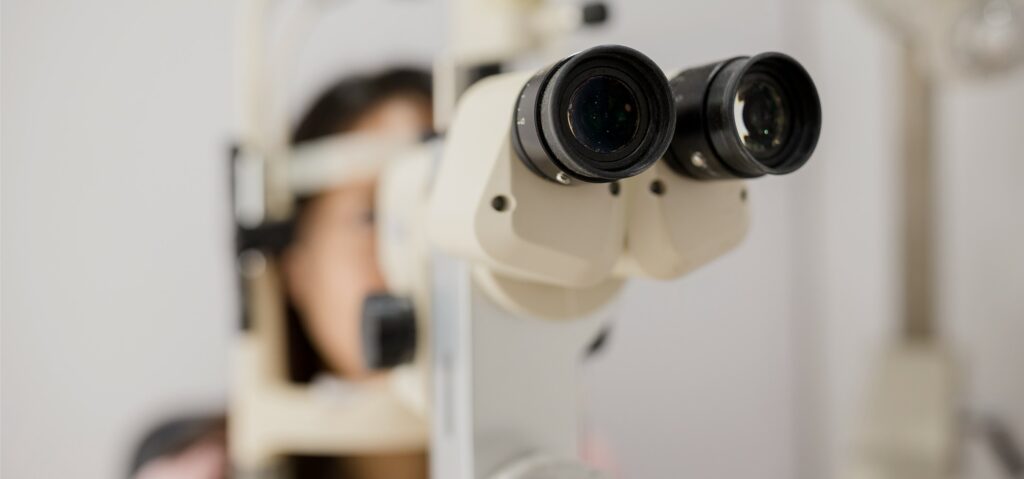
Then comes the optic nerve. Drops widen your pupils for a clear view, and digital imaging records the nerve in detail, so we can set this year’s scan beside the next one and look for change. A visual field test rounds out the picture. You sit at a screen and click a button each time a small light flashes, which maps the outer edges of your vision, where glaucoma tends to start.
Schedule Your Glaucoma Eye Exam
Early glaucoma rarely announces itself, so regular screening can follow your optic nerve health year over year and give your optometrist a baseline to measure against.
Book your next exam with Grove Eye Care, and ask how often you should be checked. Request an appointment whenever you’re ready, and our team can help set the right exam schedule for you.