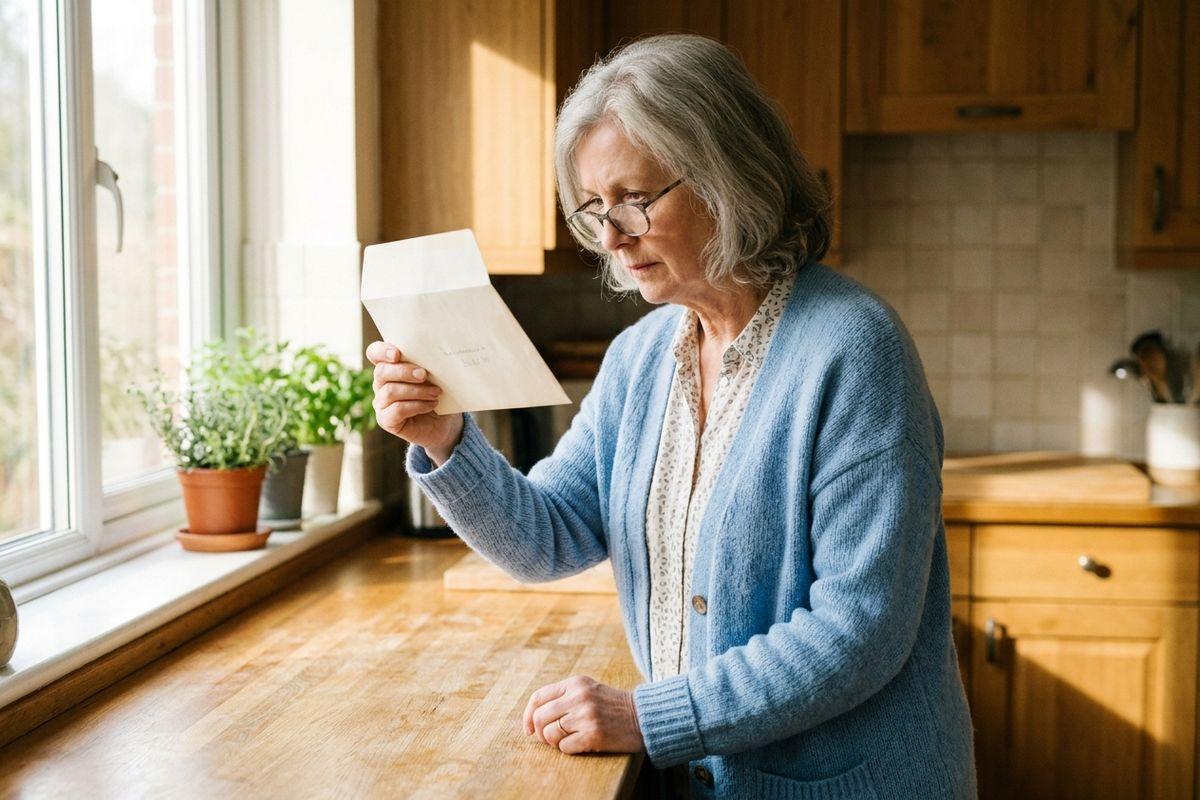
Most vision changes can be fixed with an updated prescription. But sometimes new glasses don’t make much difference, and reading the mail or recognizing a friend across the room takes more effort than it used to. That’s often when people first hear the term low vision.
Low vision is vision loss that glasses, contacts, or surgery can’t fully correct and that makes everyday tasks harder, while blindness describes much more severe loss, including no light perception at all. If you have low vision, you still have usable sight, and our team can help you use it for the things you care about.
Low vision usually stems from an eye condition our optometrists can diagnose and help manage. So if your sight is starting to hold you back, it’s a good time to talk with us.
Signs of Low Vision to Watch For
Low vision often shows up as small frustrations at home long before anyone measures it on an eye chart. Watch for a few of these in your day:
- Reading print takes more effort, even with your current glasses
- Your phone or computer screen is harder to see
- Faces look unclear from across a room
- Similar colors seem to blend together
- Driving feels harder at dusk or in dim light
If any of these sound familiar and new glasses haven’t helped, book an eye exam. Tell your optometrist exactly which tasks have gotten harder, since those details guide the rest of your care.
How Low Vision Differs from Blindness
Low vision and blindness sit at different points on a wide range of vision loss. With low vision, you have sight you can use every day, even if it isn’t as sharp as it once was.
Legal blindness is a specific measurement. In the US, it generally means 20/200 vision or worse in your stronger eye with correction, or side vision narrowed to 20 degrees or less. A 20/200 measurement means you’d need to stand 20 feet away to see what someone with typical vision sees from 200 feet.
Total blindness means no light perception at all. Most people with vision loss have some sight, and someone who’s legally blind may still read large print or walk a familiar route without help.
The legal blindness label also matters on paperwork. It can affect whether you qualify for disability benefits and local transportation programs, so ask your optometrist for documentation if you think you meet the criteria.
Common Types of Low Vision
Vision loss looks different from person to person. The pattern you notice can help guide which tools may work for you, and the most common types include:
- Central vision loss: Blurriness or a blank spot appears in the middle of what you’re looking at, so a face may fade while the room around it stays visible. Macular degeneration often causes this type.
- Side vision loss: Your view narrows, and the world can feel like you’re looking through a tunnel. This is common with glaucoma.
Some people also have trouble seeing after sunset. Pay attention to when your vision struggles most, because that information helps your optometrist narrow down what’s going on.
Eye Conditions That Can Cause Low Vision
Low vision usually develops because of an eye condition or injury. Common causes include:
- Age-related macular degeneration
- Glaucoma
- Diabetic retinopathy, which can affect people with diabetes
Eye or brain injuries and inherited conditions like retinitis pigmentosa can also cause lasting vision loss.
Many of these conditions become more common with age, which is why adults 65 and older are more likely to have low vision. Getting older doesn’t cause it on its own, though. Children and younger adults can have low vision too.
Schedule a dilated eye exam regularly so your optometrist can look for signs of these conditions early. Treatment may help slow some of them down before they affect your daily life.
What to Expect at a Low Vision Exam
A low vision evaluation goes further than a routine eye exam. Your optometrist checks how well you see at different distances and tests your side vision and contrast sensitivity.
We’ll also ask about the tasks you want to get back to, whether that’s reading recipes or seeing your grandchild’s face at the dinner table. Bring your current glasses and any magnifiers you already use so we can see what’s working.
From there, we match tools to your goals. Depending on your needs, options may include:
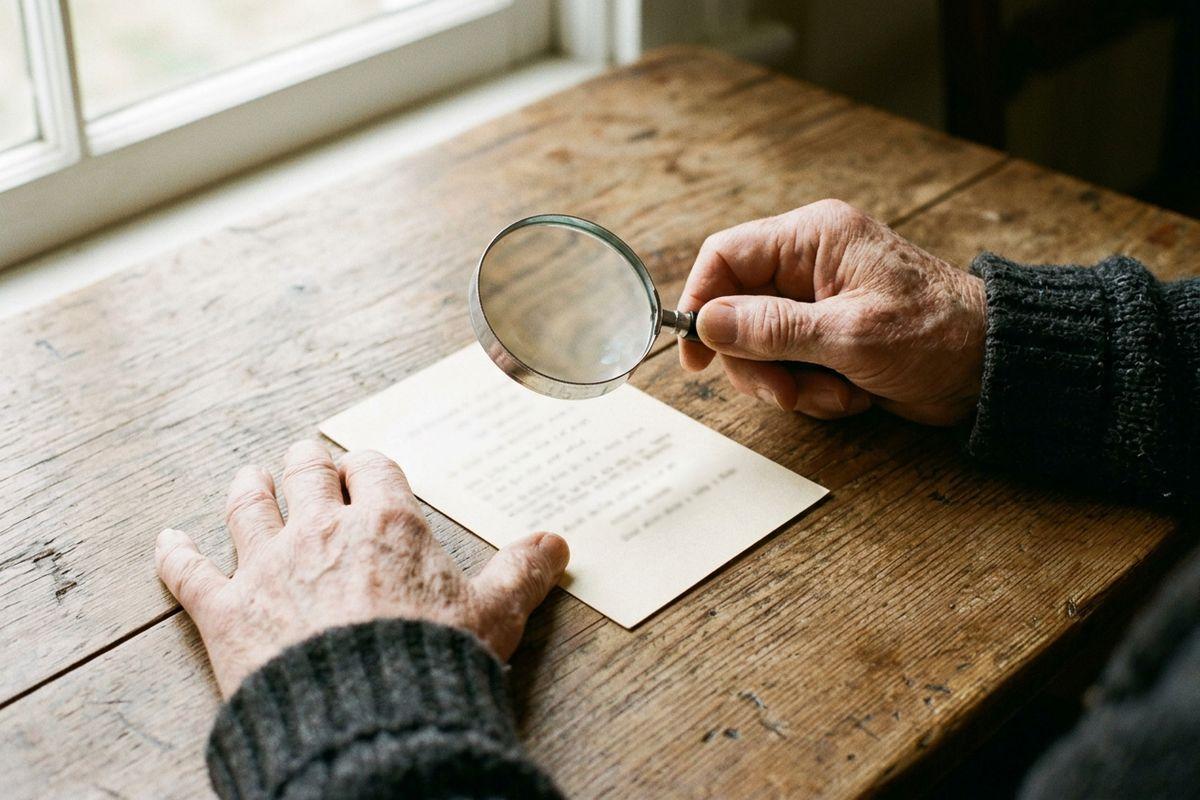
- Handheld or stand magnifiers for reading
- Telescopic glasses for seeing things far away
- Tinted filters that can reduce glare
- Electronic magnifiers that enlarge print on a screen
Low Vision Tips for Your Home
A few small changes around the house can make daily tasks easier. Try these:
- Place bright lamps where you read or cook
- Turn on larger text and high-contrast settings on your phone and TV
- Wear anti-glare sunglasses when you’re outdoors
Contrast can help too. Use a dark cutting board for light-colored foods, or put brightly colored tape on the edges of stairs.
Ask us about vision rehabilitation as well. A rehabilitation specialist can help you practice cooking and moving safely around your neighborhood with the sight you have.
Get Low Vision Support That Fits Your Life
If reading or recognizing faces has gotten harder, we’re here to listen. Our optometrists at Grove Eye Care take time to learn your routine and can recommend tools that may help you keep doing what you enjoy. Book a low vision consultation at our Richmond or Midlothian office to get started.